

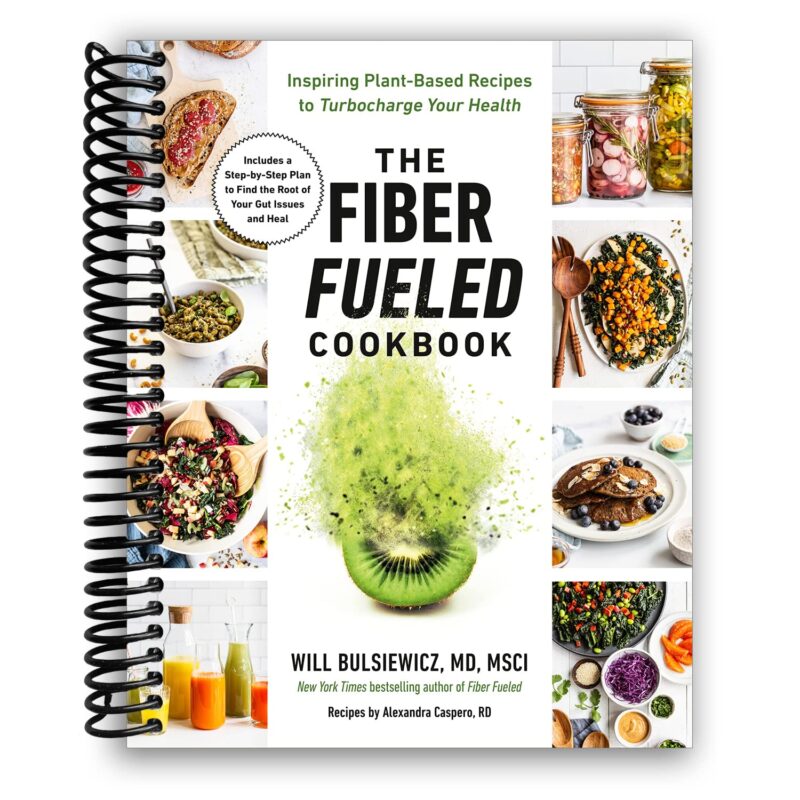
The “Fiber Fueled” cookbook is a good-read for anyone looking to improve their health and well-being through a plant-based, fiber-rich diet. This cookbook not only provides a wide range of delicious and nutritious recipes, but also delves into the science behind the benefits of fiber and its impact on the gut microbiome. The author, Dr. Will Bulsiewicz, is a gastroenterologist who brings his expertise and passion for digestive health to the table, making this cookbook both informative and practical. With easy-to-follow recipes and helpful tips for incorporating more fiber into your diet, the “Fiber Fueled” cookbook is a valuable resource for anyone seeking to nourish their body and improve their overall health.
Extracts & Notes:
Introduction:
- The gut microbiome includes a collection of microorganisms living inside the human body, such as bacteria, viruses, fungi, parasites, and archaea, with a genetic makeup referred to as the microbiome.
- The gut microbiota is critically important to digestive function, allowing the body to extract nutrients from food and affecting immunity, metabolism, hormonal balance, cognition, and gene expression.
- Dysbiosis, or disharmony and a lack of balance in the gut, can lead to a loss of diversity of species and a greater proportion of microbes that cause inflammation, which can result in life-threatening sepsis, organ failure, autoimmune diseases, obesity, coronary artery disease, type-2 diabetes, Alzheimer’s, and many other diseases.
- Research in the field of gut microbiome is growing exponentially, with 12,900 papers published in the last five years, which is 80 percent of all the papers published in the last 40 years.
- The human gut contains from 300 to over 1,000 of the bacteria species possible from the estimated 36,000 species that may exist.
Over-eat, malnourished, and overmedicated
- The book discusses the problems associated with modern lifestyles such as being overfed, undernourished, and hyper-medicated.
- The author introduces Kristen, one of Dr. B’s patients, who suffers from chronic abdominal pain, diarrhea, migraines, and polycystic ovary syndrome. Kristen has tried various diets and eliminated gluten and beans from her diet due to suspected sensitivities, but nothing worked.
- The book states that Kristen is not alone, as 72% of Americans are overweight, and 60% of Americans over the age of 19 are on prescription drugs. The use of prescription drugs, especially antibiotics, decimates our gut microbiota, and many patients experience side effects from the medications they’re taking.
- The book highlights the importance of diet and explains that an average American obtains approximately 32% of their calories from animal sources, 57% from processed plants, and only 11% from whole grains, fruit, vegetables, nuts, and beans. High animal protein diets are associated with increased numbers of bad inflammatory microbes, while plant protein encourages good anti-inflammatory species and suppresses the destructive ones.
- The book discusses the negative effects of sugar and refined carbohydrates on our gut microbiota, such as a loss in diversity of our gut microbes and a rise in carbohydrate-loving inflammatory bacteria.
- The book also mentions the negative impact of preservatives, additives, and colorants in processed foods on our gut microbiota, which is still understudied.
- The book concludes that to address these problems, we need to heal our guts by getting to the root cause of the problem and not just treating the symptoms. A diet that is at least 90% plant-based with an emphasis on seasonal fruits, vegetables, beans, nuts, and whole grains is recommended.

Suggestion: Keeping your gut healthy
- Fiber is important for a healthy gut microbiota.
- Most people are fiber-starved, with less than 3% of Americans getting their recommended daily intake.
- The breakdown of fiber produces short-chain fatty acids (SCFAs), which make the colon more acidic, preventing the growth of inflammatory bacteria and suppressing dangerous strains.
- To alleviate dietary fiber deficiency, diversify plant intake and aim for a diet that’s at least 90% plant-based.
- For maximum gut microbial diversity, aim to eat 30 different plants each week.
- Use the acronym FGOALS to remember fiber-fueled food groups: F for fruit and fermented foods, G for greens and whole grains, O for Omega-3 super seeds, A for aromatics, L for legumes, and S for sulforaphane, mushrooms, and seaweed.
- Combining many plants can create a powerful synergistic effect.
- Sharing microbes by spending time with others, shaking hands, or kissing can help maintain a healthy gut microbiota.
