

We are constantly on the quest for better things, whether we realise it or not. Multigrain atta does sound like that, and while making a decision, we are frequently perplexed. Let’s use contemporary science to guide our decision-making.
The ingredients of Multi-Grain atta:
Whole wheat / Gehoon
Ragi / Nachni
Bengal Gram / Chana Dal
Soya beans
Jowar / Sorghum
Bajra / Sajje
Barley / Jau
Oats
etc
Lets compare the nutritional value:
| Whole Wheat Atta | Multigrain Atta | |
| Ingredients: Whole wheat | Ingredients: 90% Whole wheat & 10% Ragi, Bengal Gram, Soya beans, Jowar, Bajra, Barley | Ingredients: 70% Whole wheat & 30% Ragi, Bengal Gram, Soya beans, Jowar, Bajra, Barley |
| Nutrition per 100g | Nutrition per 100g | Nutrition per 100g |
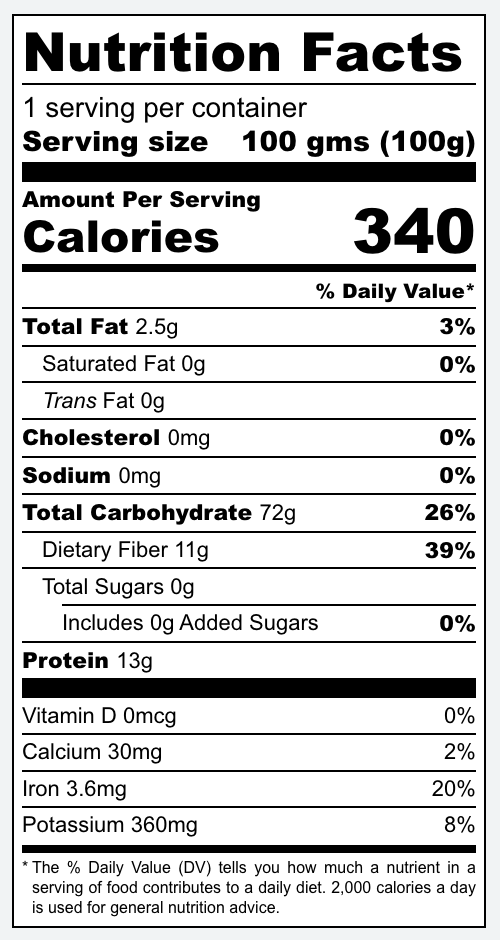 | 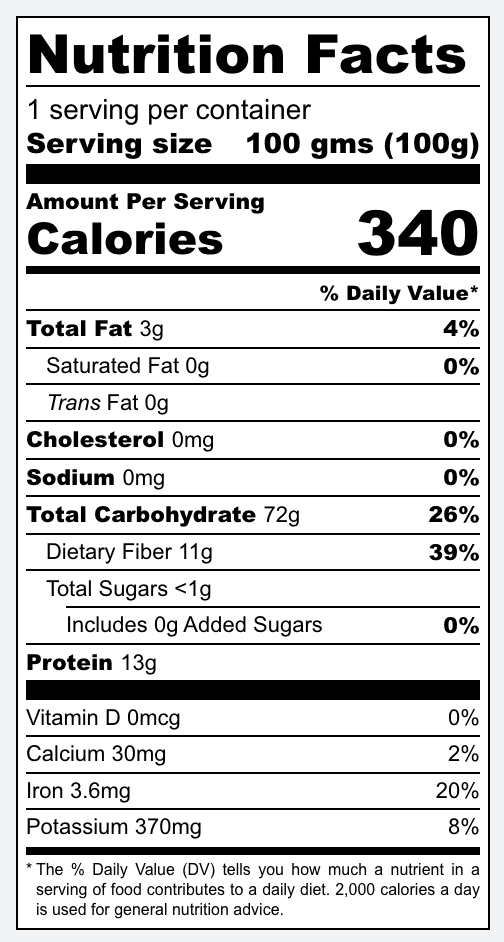 | 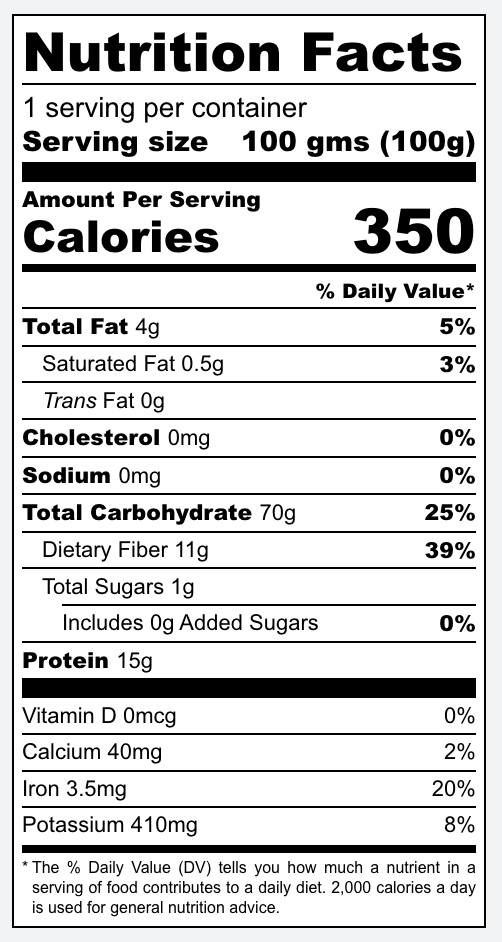 |
| Whole wheat flour – with bran, endosperm & germ | Popular Multigrain atta brands like Annapurna, Ashirwad, Pilsbury, Pathanjali use 10% multigrain. | Boutique brands like ours Grounded Foods make with 30% multigrain and brands like 24 Mantra & organic India contain 15%-25% multigrains. |
Advantage of whole grain: Whole Wheat is one of the primary ingredient of multigrain atta. Due to its high dietary fibre content, whole wheat is excellent for the health of your digestive system. According to an observational research published in the American Journal of Clinical Nutrition, whole wheat and other whole-grain consumption was associated with a reduced risk.
Advantages of multigrain: The addition of additional grains to wheat flour decreases the gluten content while increasing the nutritional value. The primary change is an increase in protein value, followed by improved calcium and potassium. Which are required by our bone and muscle systems.
