From Chakki to Mixer Grinder – Everything You Need to Know
For most Indian households, atta isn’t just another ingredient — it’s the foundation of our daily meals. From soft chapatis and phulkas to puris, parathas, and festive sweets, wheat flour is at the heart of our cuisine.
Ask any grandmother, and she’ll tell you: flour tastes best when it’s freshly milled. The aroma, softness, and nutrition of atta straight from the chakki cannot be matched by the packaged flours sitting in supermarket shelves for weeks or months. That’s why, even today, many families prefer milling their wheat in a local flour mill (chakki) or experimenting with small home setups.
In this guide, we’ll walk through:
What you need to mill wheat flour at home in India.
Different machine and traditional options.
The local varieties of wheat you can use.
Tips to get the maximum nutrition out of your flour.
And finally, a note on how Grounded® brings you flours that are as fresh as home-milled with our AirMilled™ process.
Why Mill Wheat Flour at Home?
Milling wheat at home is not just about tradition — there are real benefits:
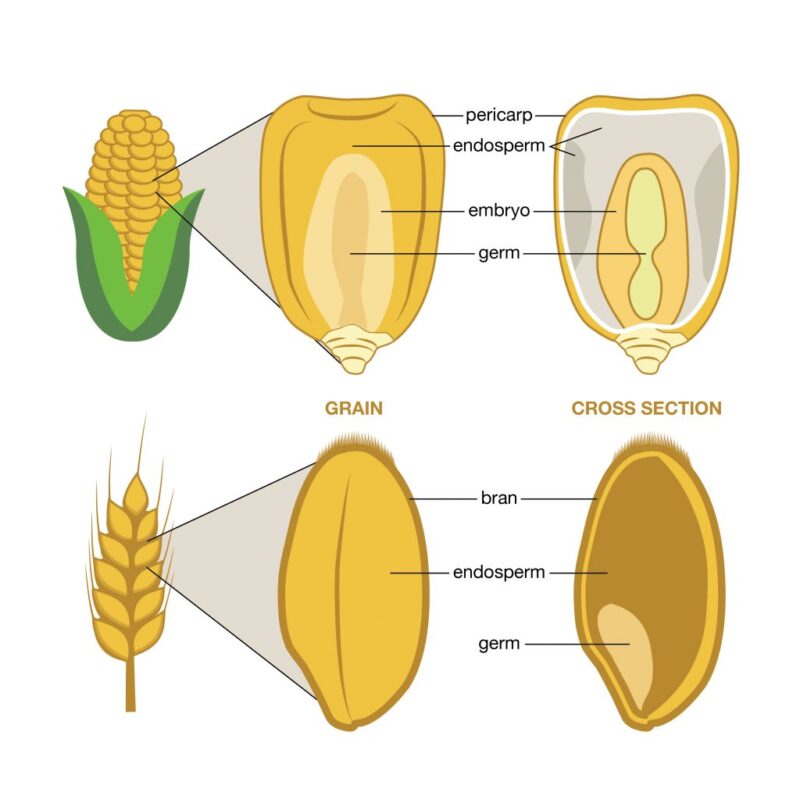
Nutrient-Rich: Whole wheat contains bran, germ, and endosperm. Industrial milling often removes bran and germ, stripping away fiber, vitamins, and minerals. Home milling keeps all parts intact.
Freshness: Nutrient degradation starts immediately after milling. The earlier you use the flour, the better.
Flavor: Freshly milled flour has a nutty sweetness and aroma you’ll never find in packaged atta.
Control: You choose the wheat variety, grind size, and blend of grains — suiting your family’s needs.
What Do You Need to Mill Atta at Home?
The tools you need depend on how serious you are about home milling. In India, we have multiple options, ranging from traditional to modern.
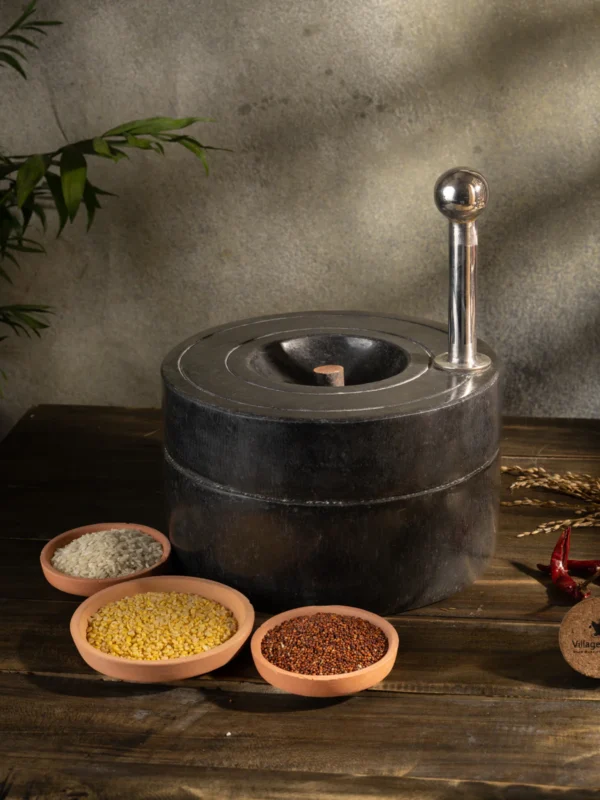
1. Traditional Stone Chakki (Hand Mill)
This is the age-old method: two heavy circular stones, one on top of the other, where the grain is fed and ground manually.
Pros:
Retains all nutrients. Authentic, slow milling with no heat. Romantic connection to tradition.
Cons:
Labor-intensive and time-consuming. Produces smaller quantities. Not practical for daily modern households.
Still, some rural households keep a small hand chakki for emergencies or small quantities of flour.
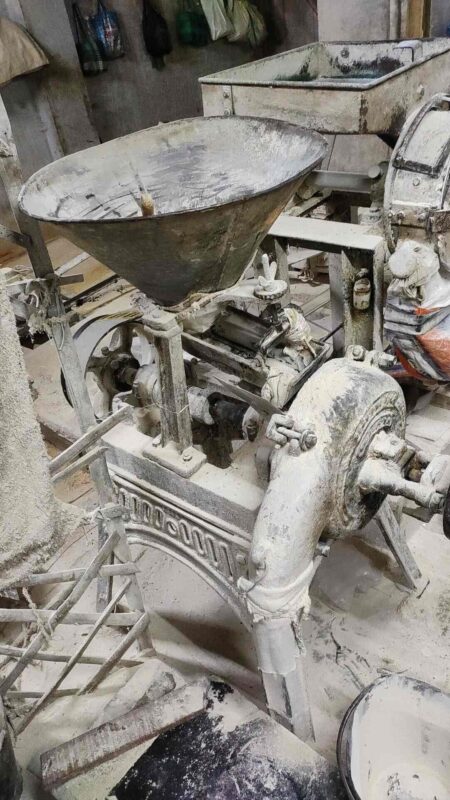
2. Local Flour Mill (Community/Commercial Chakki)
Even in cities, many families still buy whole wheat and take it to the local chakki shop. The big stone grinders there run with electricity, producing fine flour in minutes.
Pros:
– Quick, large quantities. – Relatively inexpensive. – Retains nutrients.
Cons:
– Hygiene may be an issue (previous customer’s grain residues). – Limited control over grind size. – You have to carry grain to and fro.
This is the most common middle ground for Indian households who want fresh atta but don’t mill at home.
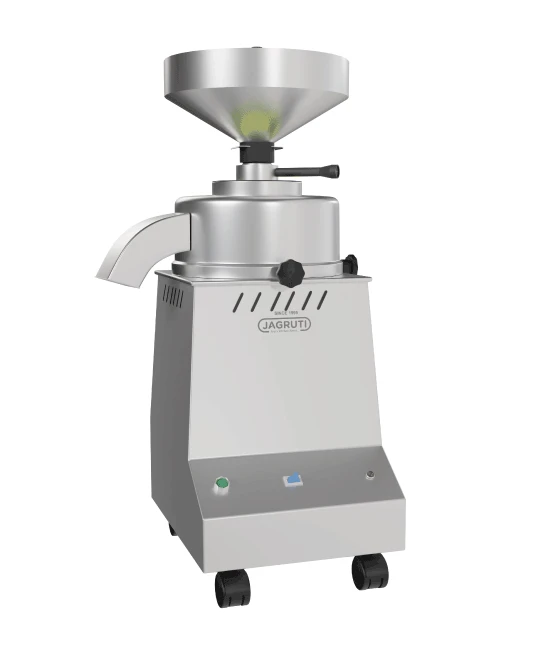
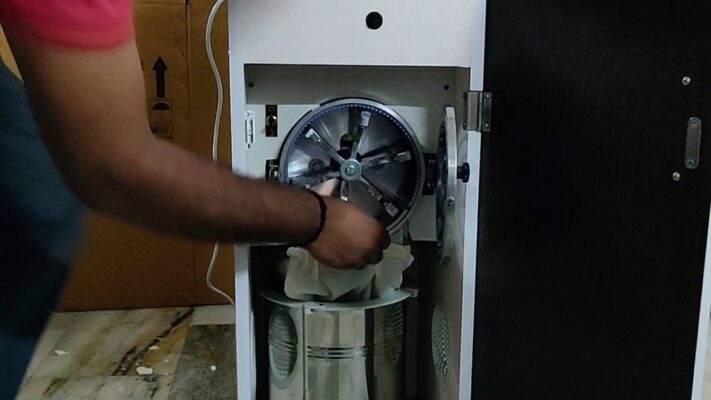
3. Small Home Flour Mill (Electric Countertop Chakki)
These are compact, fully automatic electric chakkis designed for homes. You pour in wheat, set the grind size, and get fresh flour at home.
Pros:
– Convenient and consistent. – Can handle multiple grains (wheat, jowar, bajra, ragi). – Safer and faster than manual grinding.
Cons:
– Initial investment. – Needs some kitchen space. – Cleaning and maintenance required. – Takes about 20-30 mins to grind 1kg Atta.
This is a good option if your family consumes a lot of atta daily and you want full control over quality.
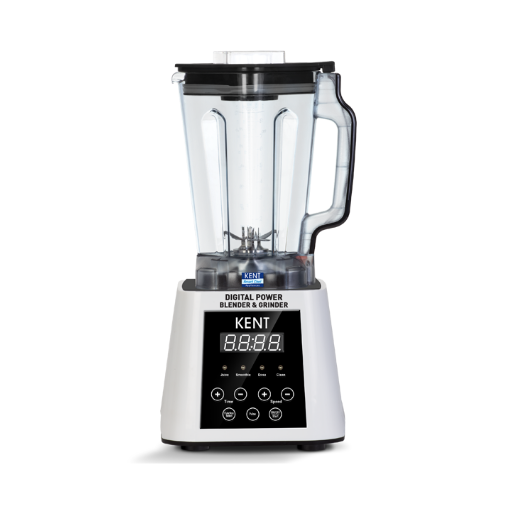
4. Mixer Grinder or High-Speed Blender
For smaller batches, a powerful mixer grinder or blender can be used.
Pros:
– Almost every home already has one. – Works for small quantities (1–2 cups). – Good for occasional baking, rotis, or experiments.
Cons:
– Limited to small amounts. – Flour may heat up due to high speed. – Texture may not be as fine as chakki atta.
Still, this is the easiest entry point to try home milling if you don’t want to buy new equipment.
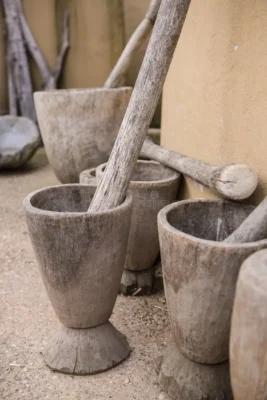
The most primitive method, but still used occasionally for small amounts of cracked wheat or coarsely ground flour.
Pros:
– Zero cost. – Full control over texture. – Great for cracked wheat (dalia) or coarse flour.
Cons:
– Extremely laborious. – Only practical for very small amounts.
Choosing the Right Wheat in India
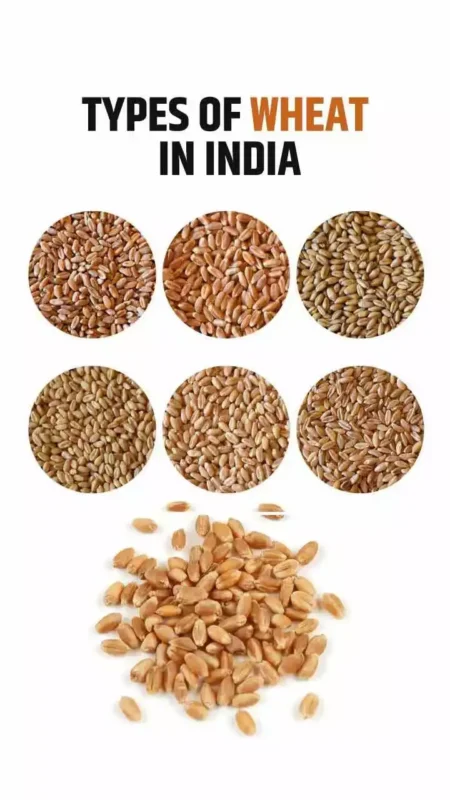
Not all wheat is the same. Different varieties have different textures, protein content, and flavors. Knowing which wheat to choose can make your rotis softer, your puris puffier, or your parathas more flavorful.
Here are some popular varieties:
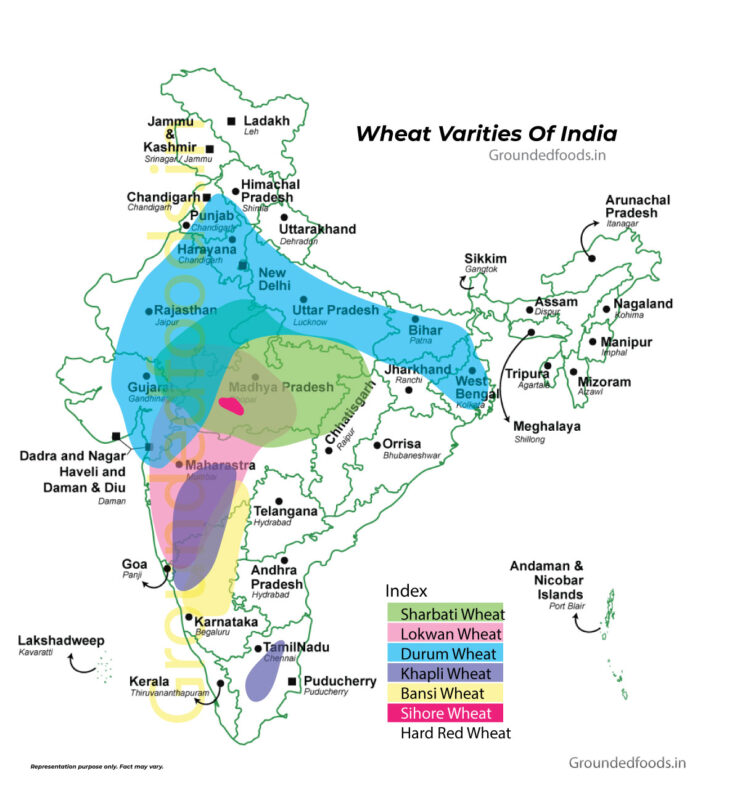
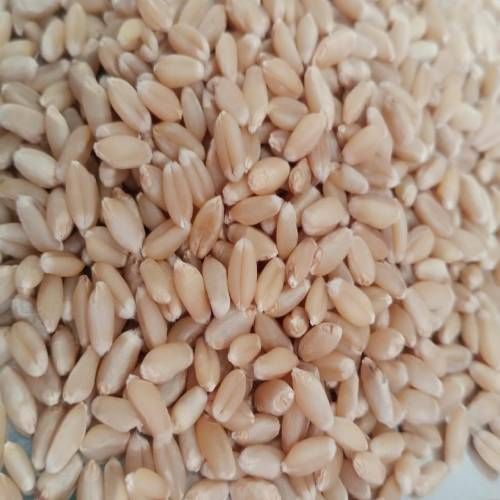
Sharbati Wheat
Grown in Madhya Pradesh (Sehore, Vidisha).
Known for its sweetness, softness, and golden color.
Best for daily chapatis and phulkas.
Lokwan Wheat
Popular in Maharashtra.
Larger, bold grains.
Makes slightly denser rotis compared to Sharbati, but still flavorful.
Durum Wheat (Pasta Wheat)
Hard wheat, high in protein.
Used in semolina (sooji/rava) and pasta.
Not ideal alone for soft rotis but can be blended.
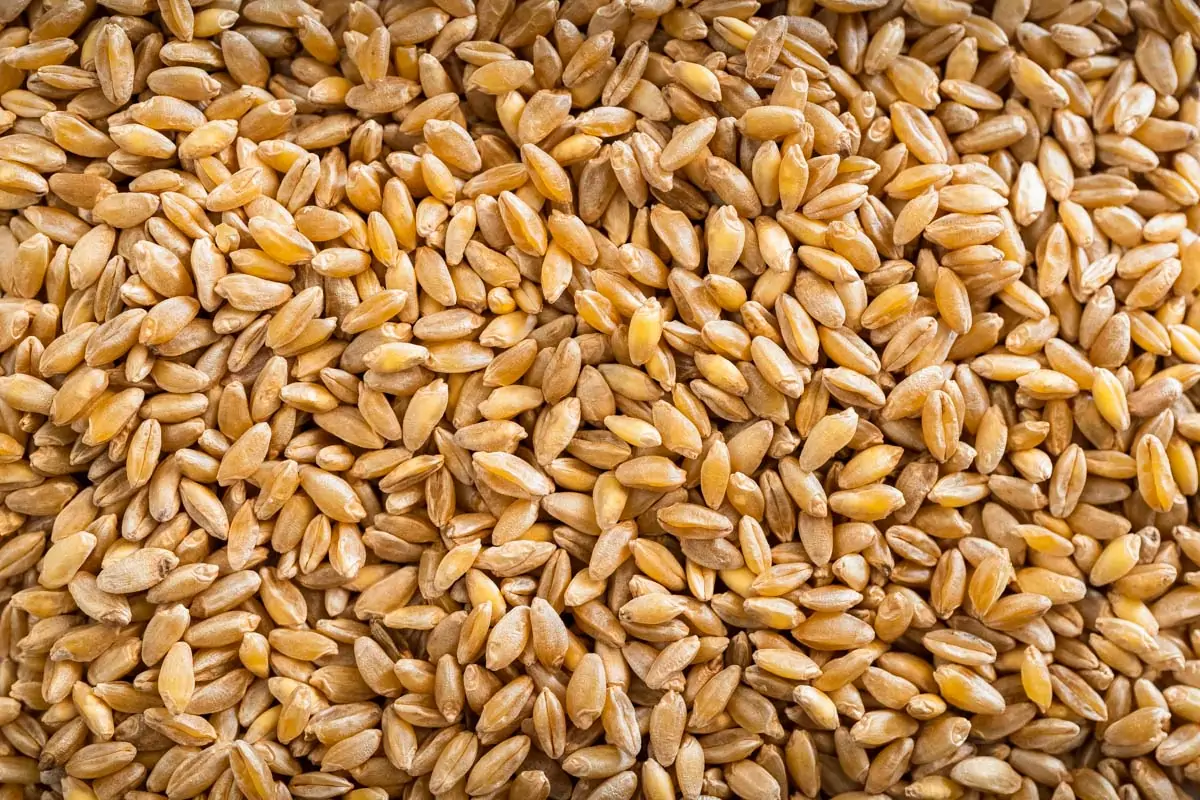
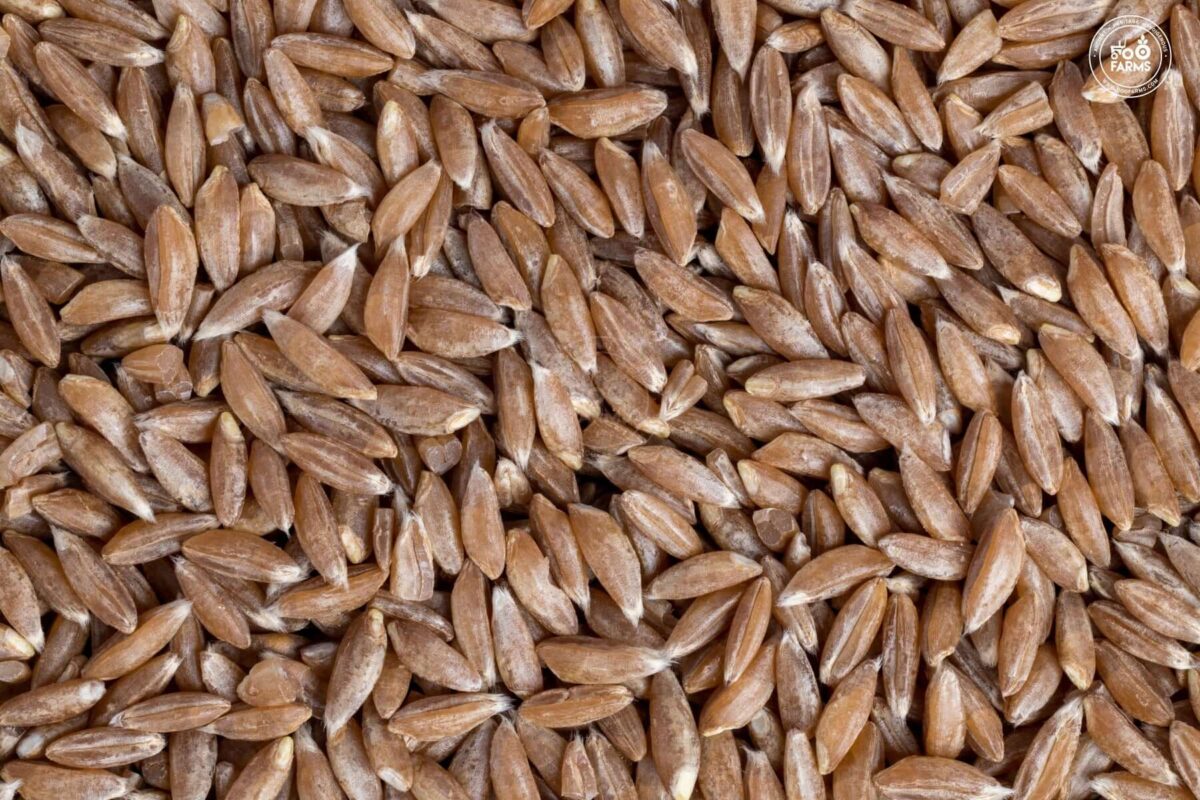
Khapli Wheat (Emmer Wheat)
Ancient wheat variety, grown in Maharashtra & Karnataka.
Low in gluten, high in fiber, rich in nutrients.
Good for people with gluten sensitivity (not celiac).
Other Local Varieties
Bansi Wheat: Popular in Karnataka.
Sihore Wheat: Another MP variety.
Hard Red Wheat: Used for bread flours.
How to Choose Wheat for Maximum Nutrition
When buying wheat for home milling, here’s what to look for:
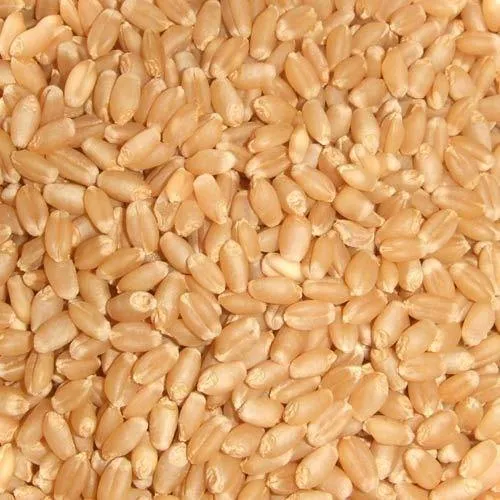
Whole, Clean Grains: Avoid shriveled, broken, or insect-damaged kernels.
Color: Sharbati tends to have a natural golden hue. Khapli has a slightly reddish tone.
Hardness: Harder wheat varieties (Durum, Khapli) are more nutritious but yield denser flour. Softer varieties (Sharbati, Lokwan) make fluffier rotis.
Balance: Some families blend two types — e.g., Sharbati (softness) + Khapli (fiber/nutrition).
Local Sourcing: Fresher grain always beats long-transported stock.
Milling Tips for Home Atta
Grind in Batches: If using a mixer, grind small amounts to avoid overheating.
Sift if Needed: Use a sieve to remove coarse bran if you want lighter rotis. Keep the bran for porridge or laddus.
Store Smart: Fresh flour spoils faster. Store in airtight containers, preferably in the fridge during hot months.
Weigh, Don’t Scoop: Fresh flour is lighter and fluffier — always measure by weight for consistency.
Water Adjustment: Freshly milled flour absorbs more water. Add extra 5–10% water while kneading.
The Challenges of Self Milling
While self milling is satisfying, it’s not always practical:
Machines take space and need maintenance.
Fresh flour has a short shelf life.
Not everyone has access to multiple wheat varieties locally.
Hygiene at local mills can be questionable.
This is where companies like Grounded® step in — offering you the best of both worlds.
Grounded®: Fresh Like Home, Better with AirMilled™
At Grounded®, we mill flour every day in small batches using our unique AirMilled™ process. Unlike traditional chakkis that use stone friction, our process works by high-speed impact — like hitting the grain against a wall until it shatters to the desired size.
Milling atta at home is a beautiful practice — one that reconnects us with the grain, the soil, and the tradition of wholesome food. If you have the time and setup, it’s worth trying. You’ll instantly taste the difference.
But if life gets in the way, don’t worry. With Grounded® AirMilled™ flours, you get the same freshness, nutrition, and purity — right at your doorstep.
Fresh, honest, and grounded. That’s the flour your kitchen deserves.