

Many question and possible answers:
What is Aflatoxins?
How are Chillis friends of Aflatoxins?
Aspergillus flavus and Aspergillus parasiticus?
Why is it good to avoid Cheaper chillis?
How to make the chilli cheaper?
How to find if your chilli powder is adulterated?
How do we ensure our chillis are good?
Sources
What is Aflatoxins?
Aflatoxins are hepatogenic, teratogenic, immunosuppressive, and carcinogenic fungal metabolites found in feeds, nuts, wine-grapes, spices, and other grain crops. Humans are exposed to AFs through consumption of mycotoxin-contaminated foods #A.
How are Chillis friends of Aflatoxins?
Chilies, like many crops, can be susceptible to contamination by aflatoxins under certain conditions. Aflatoxins are toxic compounds produced by certain molds, primarily Aspergillus flavus and Aspergillus parasiticus, which can grow on crops such as chili peppers, corn, peanuts, and tree nuts.
Several factors contribute to the susceptibility of chilies to aflatoxin contamination:
- Growing Conditions: Hot and humid climates are conducive to the growth of aflatoxin-producing molds. Chili peppers are often cultivated in regions with these conditions, increasing the risk of contamination.
- Storage Conditions: Improper storage of chili peppers can create an environment where molds thrive, leading to aflatoxin contamination. Moisture, warmth, and poor ventilation can all contribute to mold growth and toxin production.
- Pests and Damage: Insect damage or wounds on chili peppers provide entry points for mold spores, increasing the likelihood of aflatoxin contamination.
- Harvesting Practices: If chili peppers are harvested under conditions that promote mold growth or if they are harvested from contaminated fields, they can carry aflatoxin contamination into the food supply chain.
Aflatoxins are potent carcinogens and can have serious health implications if consumed in high doses over time. Therefore, efforts to prevent aflatoxin contamination in crops like chili peppers involve implementing good agricultural practices, proper storage techniques, and regular monitoring for mold growth and toxin levels.
Who are these: Aspergillus flavus and Aspergillus parasiticus?
Aspergillus flavus and Aspergillus parasiticus are both species of molds belonging to the genus Aspergillus. Here’s a brief overview of each:
- Aspergillus flavus: This is a common mold species found in soil, decaying vegetation, and crops such as corn, peanuts, cottonseed, and tree nuts. Aspergillus flavus is known for producing aflatoxins, particularly aflatoxin B1, which is one of the most potent naturally occurring carcinogens. Aflatoxin contamination in food and feed poses significant health risks to humans and animals.
- Aspergillus parasiticus: Like Aspergillus flavus, Aspergillus parasiticus is another mold species capable of producing aflatoxins. It is closely related to Aspergillus flavus and shares similar habitats and food sources. Aspergillus parasiticus can also contaminate crops such as corn, peanuts, and tree nuts, leading to aflatoxin contamination.
Both of these molds are ubiquitous in the environment and can colonize crops under conditions of high humidity and temperature. Prevention of aflatoxin contamination involves measures such as proper storage, monitoring of crops, and controlling environmental conditions to minimize mold growth. Additionally, there are ongoing efforts in agriculture to develop resistant crop varieties and improved methods for detecting and mitigating aflatoxin contamination.
Why is it good to avoid Cheaper chilli or Chilli powder?
Avoiding cheaper chili or chili powder may be advisable for several reasons: Don’t miss the 4th point
- Quality and Authenticity: Cheaper chili powder may contain lower-quality or adulterated ingredients. Some manufacturers might mix lower-grade chilies or fillers with the powder to cut costs, compromising the flavor and authenticity of the spice.
- Additives and Contaminants: Cheaper chili powder may contain additives, preservatives, or contaminants that can affect its quality and safety. These additives might include artificial colors, flavor enhancers, or pesticides, which can have adverse health effects when consumed in large quantities.
- Storage Conditions: Cheaper chili powder may not be stored or handled properly, leading to issues such as contamination with mold, insects, or other pathogens. Proper storage conditions are crucial for preserving the flavor and freshness of spices.
- Aflatoxin Contamination: Cheaper chili powder may be more susceptible to aflatoxin contamination. Aflatoxins are toxic compounds produced by molds that can grow on chili peppers and other crops under certain conditions. Consuming chili powder contaminated with aflatoxins can pose health risks.
- Ethical Concerns: Extremely cheap chili powder may be produced under conditions that exploit labor or disregard environmental sustainability. Buying chili powder at unrealistically low prices may indirectly support practices that harm workers, local communities, or the environment.
- Taste and Flavor: Higher-quality chili powder typically has a more vibrant color, richer flavor, and greater heat intensity compared to cheaper varieties. Investing in higher-quality chili powder can enhance the taste and aroma of dishes, providing a more enjoyable culinary experience.
While it’s not always the case that cheaper chili or chili powder is inherently inferior, consumers should be mindful of the factors mentioned above and prioritize purchasing spices from reputable sources known for their commitment to quality, safety, and sustainability. Opting for higher-quality chili or chili powder may cost more upfront but can yield better results in terms of taste, safety, and overall satisfaction.
How can one make the chilli cheaper?
These are many ways to make it cheaper, here are few that i have come across
Natural and cheaper methods:
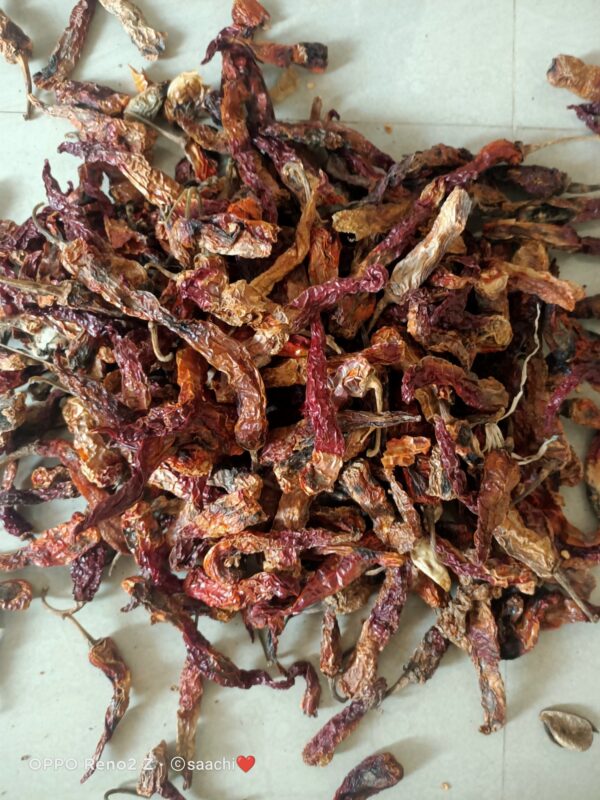
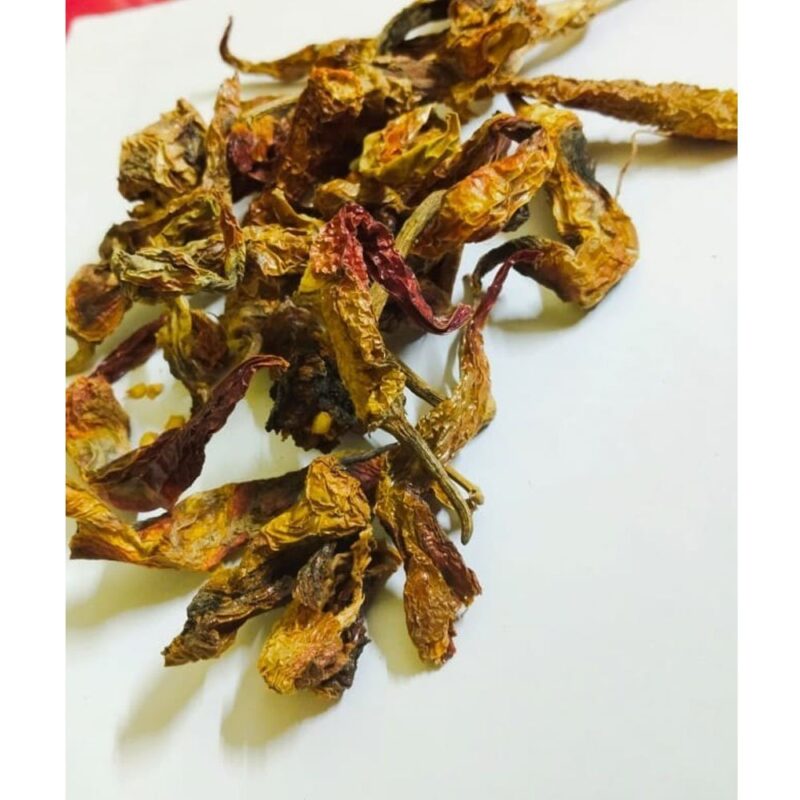
Chilli Fatki:
Basically a discarded Chilli for various reasons. It is either broken, burst when drying, changes color due to infections or simple infected in their life cycle.
Price: 1/4th of its good quality variant
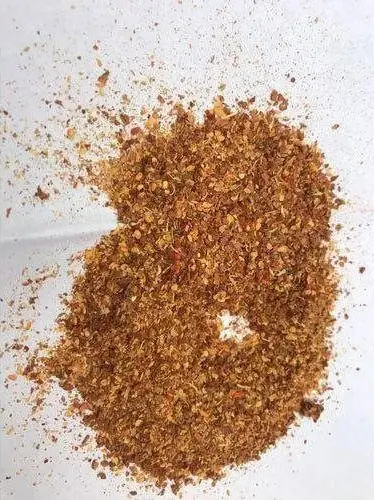
Chilli Spent:
Spents are byproduct or discarded product after removal of nutrients & essential oils, these have nothing but fibers and some heat (spiciness).
Price: 1/5th of its good quality chilli
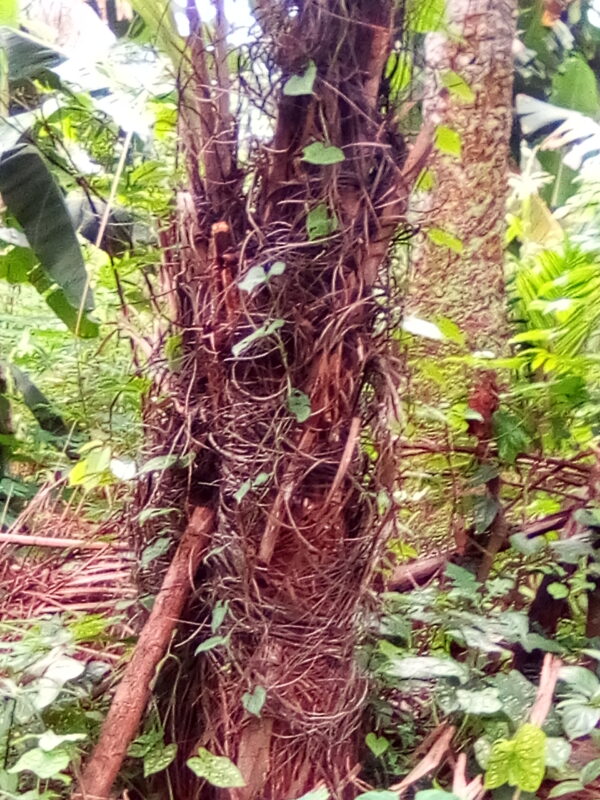
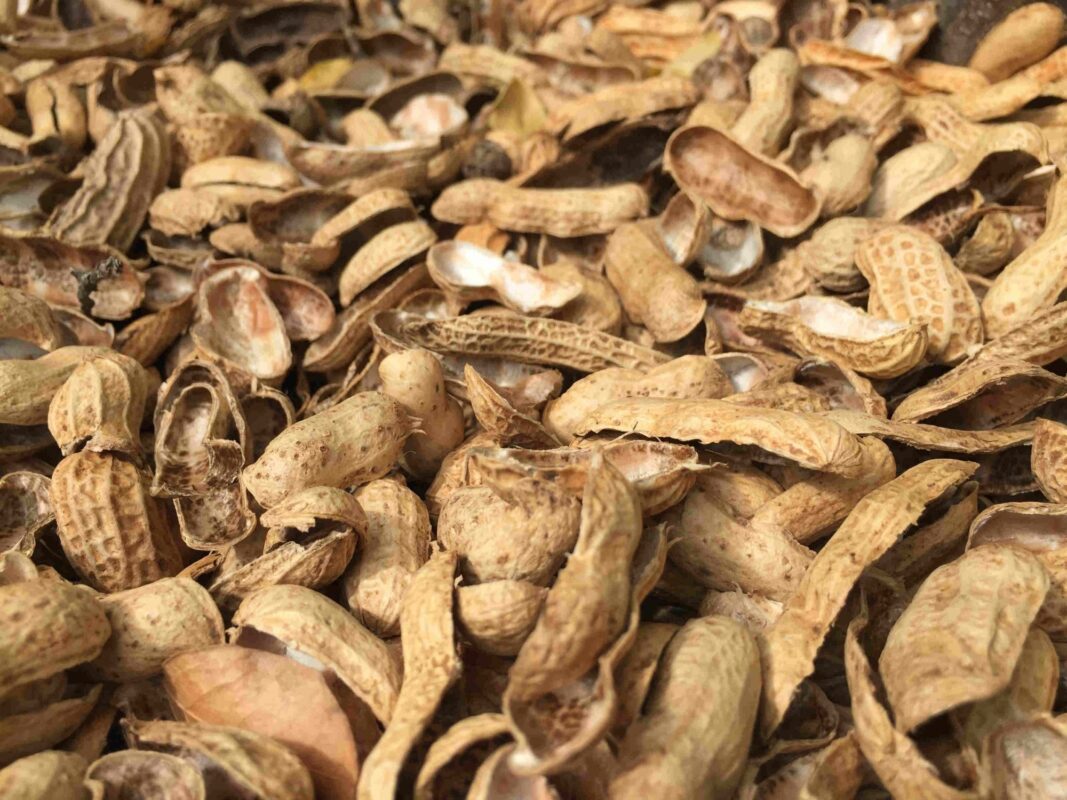
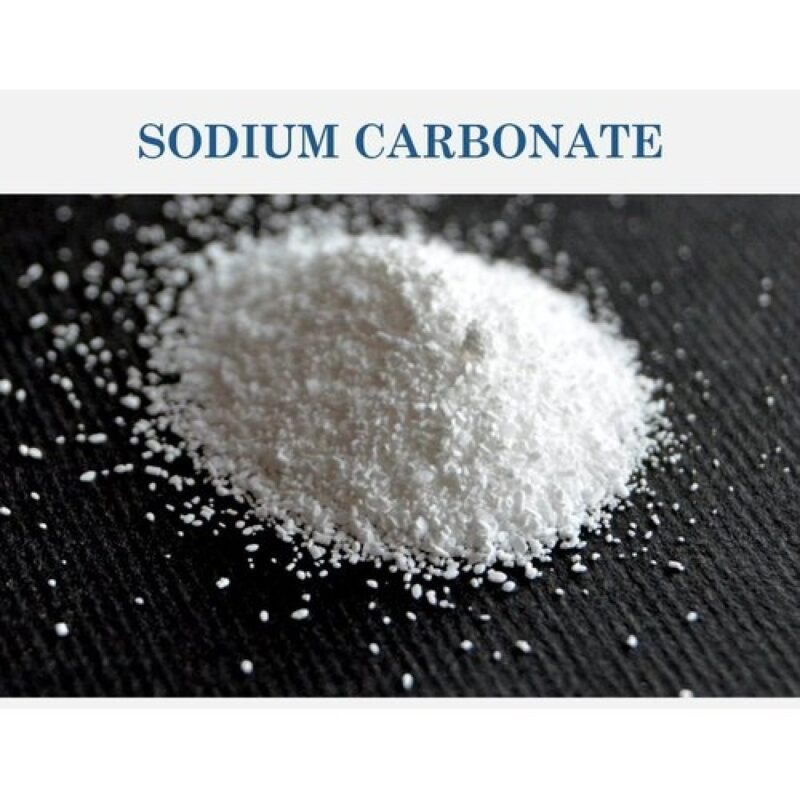
Extremely in-human methods:
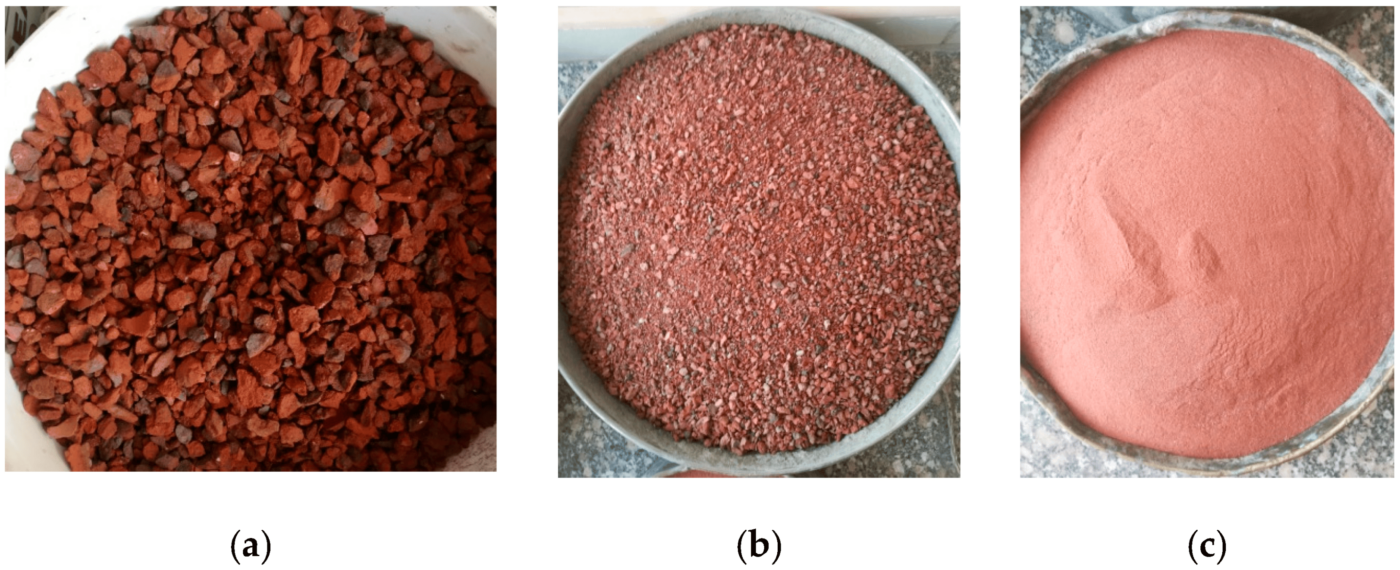
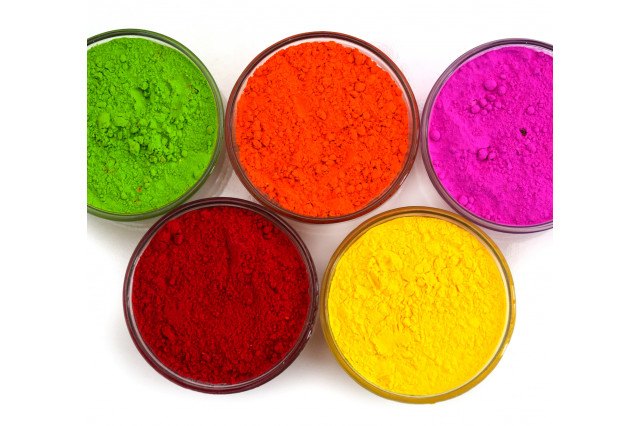
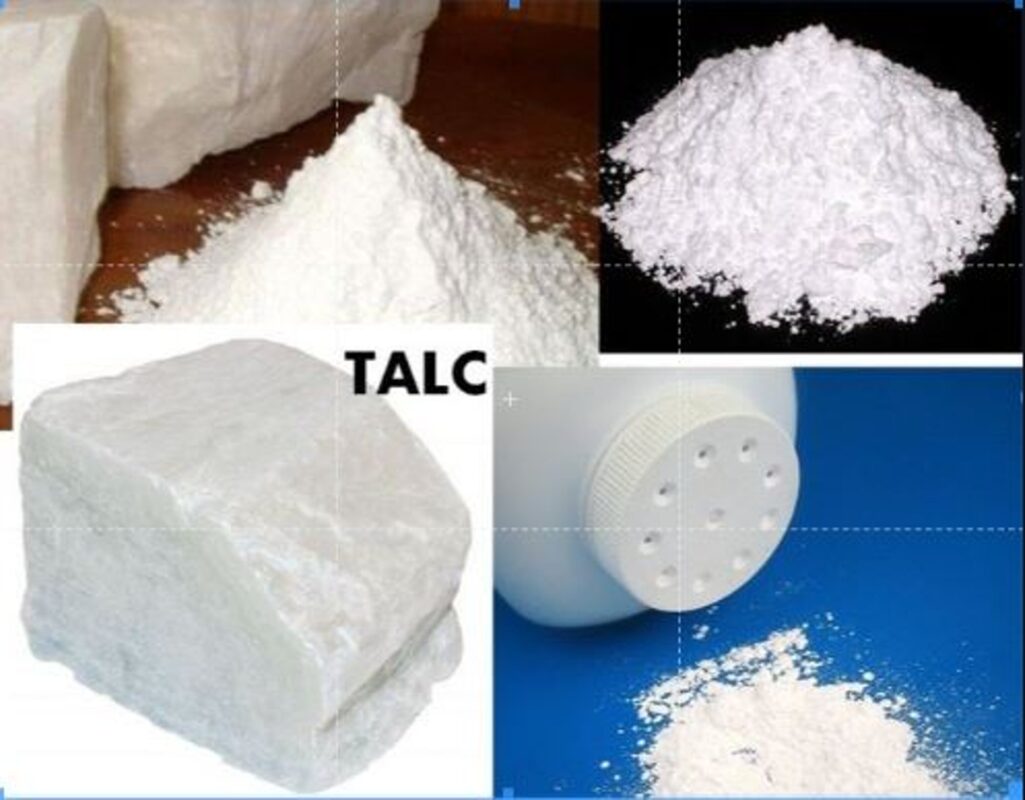
How to find if your chilli powder is adulterated?
There are many methods to find that out some are scientific and they need professional setups and prefessionals to do it and some unscientific methods that can help you find if you chilli powder is adultrated, and here few
Scientific methods:
There is no cheaper method to find the exact adulterant, It will cost about 7000 to 12000 for a standardised lab test.
Researchers used these methods, try them out if feasible: Open link
Easy methods you can try at Home:
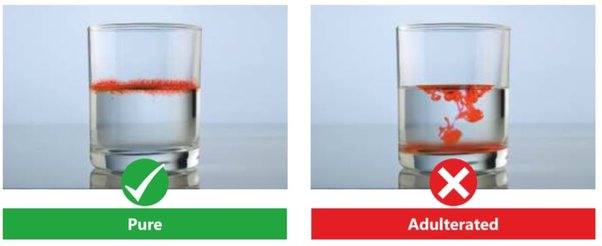
add a teaspoon of chilly powder to a glass of plain water. If it is laced with brick powder or is ar…
we will add more methods soon as we encounter.
How do we ensure our chillis are good?
We trust in our senses and utilize available scientific methods as our guiding principles. To ensure the quality and safety of our products, we implement the following precautions:
- Buy only top-quality and export-grade products. Yes, they come at a higher cost, but for good reason. The best quality is exported because buyers pay a premium to ensure the highest standards. Otherwise, the entire consignment may be returned to the seller, who then incurs hefty fines.
- Source from highly reputable suppliers only. We spent the first two years meticulously vetting various sources, purchasing samples, and assessing quality multiple times for consistency. We’ve ceased buying from any sources that fail to meet our stringent requirements.
- Inspect and discard anything that doesn’t meet our standards. Even the highest-quality products may have minor flaws. Our chilies undergo two levels of thorough inspection: upon arrival at our premises and before they are selected for processing.
- Conduct random lab tests. We randomly select samples for testing without prior notification to ensure we uphold our commitment to quality without any lapses.
Sources:
#C: https://www.onmanorama.com/food/features/2023/09/05/adulterated-food-chilly-powder-cooking-tips.html
