

Traditional Practices, and Indian Heritage
In the rich array of Indian cuisine, a story unfolds—of grains, phytins, and the ancient practices that have shaped our meals for centuries. Let’s delve into the art of nourishing traditions, exploring the impact of time-consuming processes and the profound wisdom embedded in Indian cooking.
Balancing Act of Nutrition:
In India, the kitchen is a treasure trove of wisdom passed through generations. Time-consuming processes like soaking, sprouting, fermenting, and slow cooking are not just rituals; they’re practical approaches to enhance the health impact of our meals.
Liberating Grains: Time-Honored Techniques:
In India, the kitchen is a treasure trove of wisdom passed through generations. Time-consuming processes like soaking, sprouting, fermenting, and slow cooking are not just rituals; they’re practical approaches to enhance the health impact of our meals.
1. Soaking: Activating Nutrients Naturally:
Soaking grains is like a prelude to a nutrient symphony. It activates enzymes, making minerals more available. A simple yet effective practice, it’s a nod to the idea that a little patience can enhance the nutritional richness of our meals.
2. Sprouting: Germinating Goodness:
Sprouting, a visual delight in Indian kitchens, goes beyond aesthetics. It’s a natural way to boost vitamins, minerals, and enzymes. The humble act of sprouting seeds or legumes adds a nutritional punch to our diets.
3. Fermentation: Culinary Alchemy for Gut Health:
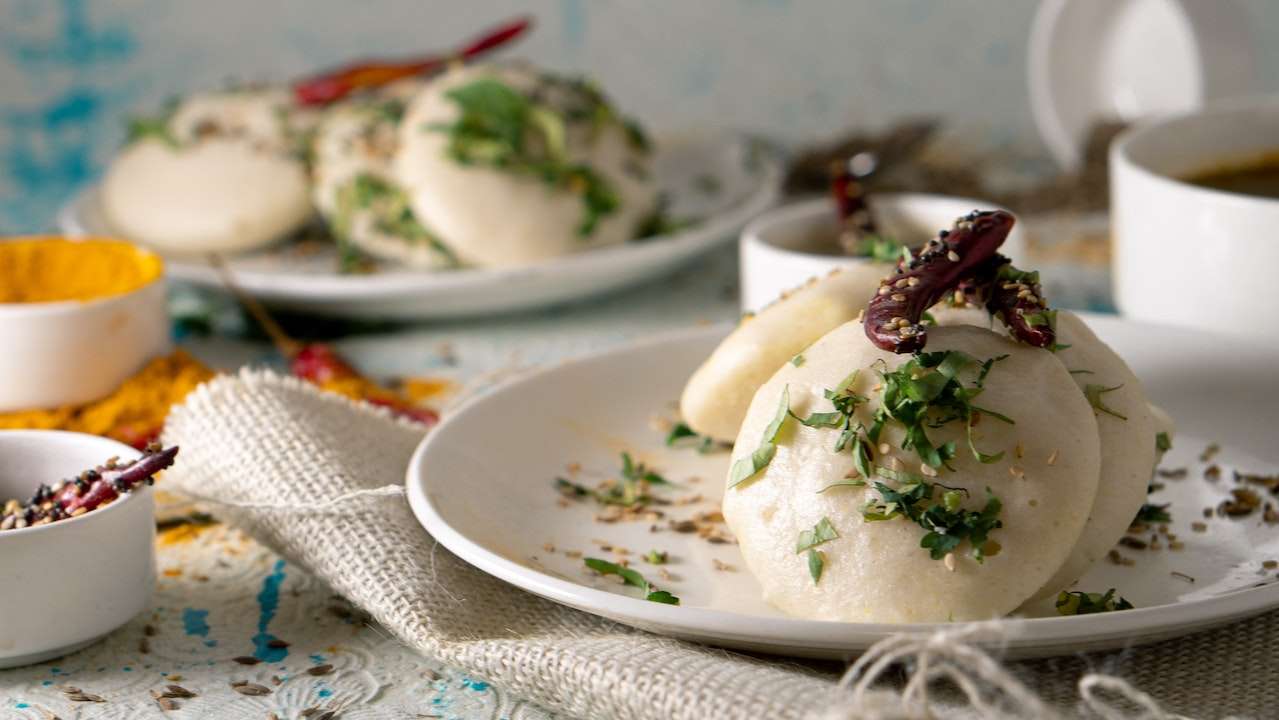
Fermentation, from dosas to pickles, is the alchemy of Indian kitchens. Beyond tangy flavors, it promotes gut health and nutrient absorption. It’s a testament to the art of transforming ordinary ingredients into extraordinary health contributors.
4. Slow Cooking: Patience Rewarded:
Slow cooking is the heartbeat of Indian stews and simmering pots. It’s not just about melding flavors; it’s a method that breaks down toughness and enhances nutrient retention. The result is meals that are not just tasty but also health-enhancing.
Culinary Heritage: Passing Down Wellness:
These practices are not mere recipes; they are legacies. Passed down through generations, they embody a cultural understanding that investing time in food preparation is an investment in long-term health.
In short:
In the grand array of Indian cooking, the dance of grains, phytins, and traditional practices is a celebration of simplicity and wisdom. As we savor the flavors of soaked, sprouted, fermented, and slow-cooked dishes, we partake in a timeless tradition that echoes the connection between food and well-being. In the journey of grains from the fields to our plates, every step tells a story—a story of nourishment, health, and the vibrant heritage that flavors our meals with both taste and tradition.
References:
- Reddy, N. R., & Sathe, S. K. (2001). Food Phytates. CRC Press.
- Huma, N., & Anjum, F. M. (2007). Sprouting characteristics and associated changes in nutritional composition of cowpea (Vigna unguiculata L.) seeds. International Journal of Food Science & Technology, 42(3), 263-268.
- Tamang, J. P., Watanabe, K., & Holzapfel, W. H. (2016). Review: Diversity of Microorganisms in Global Fermented Foods and Beverages. Frontiers in Microbiology, 7, 377.
- Wani, A. A., Singh, P., Gul, K., & Wani, M. H. (2012). A review on sprouting characteristics and nutritional composition of sprouts: An important cereal food supplement. Food Science and Nutrition, 1(6), 439-450.
